A refrigerator leaking water may seem like a small problem, but it can lead to bigger issues if you ignore it. A leak may also point to a clogged drain, a damaged water line, or another refrigerator problem. A refrigerator leaking water can create slippery floors, damage kitchen cabinets, and sometimes indicate a problem with the appliance.
The good news is that not every refrigerator leak is an emergency. The level of risk depends on where the water is coming from and how much is leaking. In this guide, you’ll learn why a refrigerator leaking water can be dangerous, what causes the problem, what you can safely check at home, and when to call a professional repair technician.
Is a Refrigerator Leaking Water Dangerous?
Yes, a refrigerator leaking water can be dangerous, depending on where the water collects and what causes the leak. A small puddle may not be an emergency, but ignoring it can lead to safety risks and costly damage to your home.
Here are the main dangers homeowners should know about.
1. Electrical Shock Risk
Water and electricity are a dangerous combination. If leaking water reaches electrical outlets, plugs, cords, or damaged wiring, it may increase the risk of electric shock.
If you notice water near electrical parts, do not touch the plug or any wet electrical equipment. Keep children and pets away from the area, and have the power disconnected safely by a qualified person. If your refrigerator is leaking water, keep children and pets away from the wet area until it is safe to clean.
2. Slippery Kitchen Floors
Water leaking from a refrigerator can spread across your kitchen floor without you noticing. This creates a slipping hazard, especially for children, older adults, and anyone walking through the kitchen.
Clean up small, safely accessible puddles promptly. If the water is near electrical equipment, do not step into it or attempt to clean it until the electrical risk has been addressed.
3. Damage to Floors and Cabinets
A slow leak may seem harmless at first, but water can seep beneath vinyl flooring, damage wood, swell cabinets, and affect the materials under your refrigerator.
Over time, repairs to flooring and cabinets can become expensive. Finding and fixing the source of the leak early can help prevent further damage.
4. Mold and Musty Smells
Moisture that remains trapped under a refrigerator or inside nearby cabinets can encourage mold growth. You may notice a musty smell, dark patches, or damp materials around the appliance.
Mold does not develop from every small leak, but ongoing moisture should never be ignored. The water source must be fixed, and wet materials should be dried properly.
5. Food Spoilage if the Fridge Stops Cooling
A water leak does not always mean your refrigerator is failing to cool. However, if you also notice warm food, unusual temperature changes, or a malfunctioning appliance, your food may no longer be safe.
Keep your refrigerator at 40°F (4°C) or below. If perishable food has been above 40°F for two hours or more, it may need to be discarded. Check the appliance temperature rather than assuming the food is safe because it still feels cool.
Important: If your refrigerator is leaking water and showing signs of an electrical problem, stop using it until it can be checked safely. Do not ignore repeated leaks, unusual electrical smells, or water that continues to spread.
Why Is My Refrigerator Leaking Water?
A refrigerator leaking water can have several causes. Sometimes, the problem is a blocked drain or excess moisture. In other cases, a loose water line or damaged part may be responsible. The cause of a refrigerator leaking water may be a clogged defrost drain, a damaged water line, or excess condensation.
Finding where the water collects can help you narrow down the cause. Here are six common reasons your refrigerator may be leaking water.
1. Clogged Defrost Drain
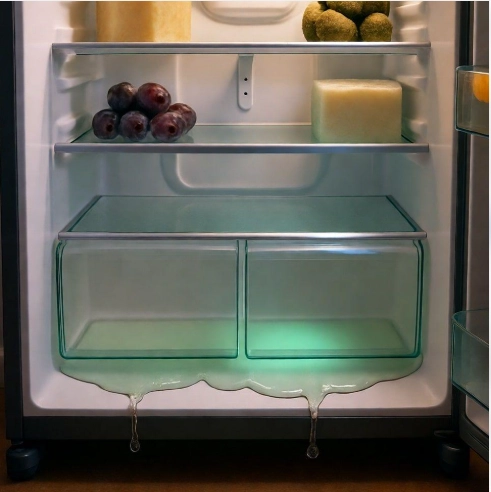
A clogged defrost drain is a common cause of water leaking inside a refrigerator. During normal operation, the fridge removes frost from its cooling system. The melted water usually flows through a drain tube into a drain pan, where it evaporates.
If food particles, ice, or other debris block the drain, water may back up and collect inside the refrigerator or beneath the crisper drawers.
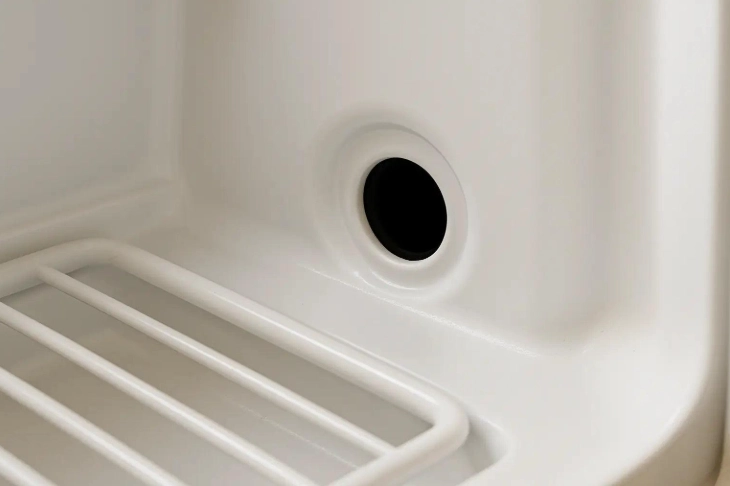
What you may notice: Water pooling under the vegetable drawers or leaking onto the kitchen floor.
What you can do: Check your refrigerator manual for safe drain-cleaning instructions. Avoid sharp objects or boiling water, which may damage internal parts. If the drain remains blocked, contact a refrigerator repair technician.
2. Damaged or Overflowing Drain Pan
Most refrigerators have a drain pan underneath that collects water from the defrost cycle. The water usually evaporates naturally.
If the pan is cracked, displaced, or unable to handle the amount of water entering it, you may notice a puddle beneath the appliance.
What you may notice: Water collecting near the front or underneath the refrigerator, sometimes without water inside the fridge.
What you can do: If the pan is safely accessible according to your owner’s manual, inspect it for visible damage. Do not reach near electrical components or remove heavy parts yourself. A damaged pan may need professional replacement.
3. Loose or Damaged Water Supply Line
Refrigerators with ice makers or water dispensers often use a water supply line connected to your home’s plumbing.
If the line becomes loose, cracked, or damaged, water may leak behind the refrigerator. A small leak can continue for hours or days before you notice it.
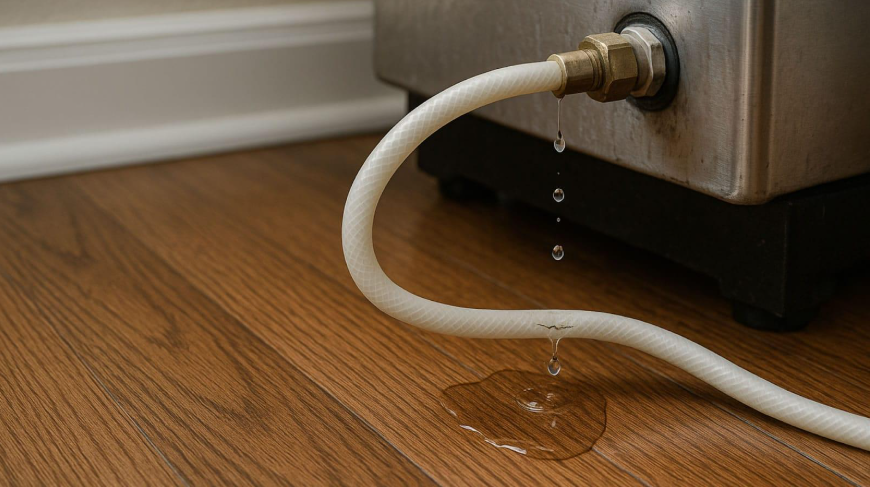
What you may notice: Wet flooring behind the fridge, water near the wall, or a steady drip from the supply connection.
What you can do: If the leak is coming from the water supply, shut off the supply valve only if you can reach it safely. Avoid moving the refrigerator through standing water or touching wet electrical connections. Call a qualified technician or plumber if the source is unclear.
4. Leaking Water Filter or Inlet Valve
A refrigerator water filter that is incorrectly installed, damaged, or past its useful life may leak around the filter housing. A faulty water inlet valve can also allow water to escape.
These problems are more likely in refrigerators with built-in water dispensers or ice makers.
What you may notice: Water around the filter compartment, a drip behind the refrigerator, or leakage that starts after a filter change.
What you can do: Check that the filter is the correct model and installed according to the manufacturer’s instructions. If the leak continues, turn off the water supply if it is safe to do so and arrange a professional inspection.
5. Excess Condensation Inside the Refrigerator
Moisture can build up inside a refrigerator when warm, humid air enters the compartment. Leaving the door open, frequently opening it, or having a damaged door gasket may allow extra moisture to collect.
That moisture can form droplets on the walls and shelves or run down into the bottom of the fridge.
What you may notice: Water droplets on the interior walls, damp shelves, or moisture around food containers.
What you can do: Make sure the doors close fully, avoid leaving them open for long periods, and check the door seals for visible damage. If condensation continues, the refrigerator may need further inspection.
6. Refrigerator Not Cooling Properly
A refrigerator that is not cooling correctly may develop unusual frost or condensation, depending on the fault. Ice buildup can sometimes melt and contribute to water around the appliance.
However, a water leak alone does not prove that the cooling system has failed.
What you may notice: Water on the floor along with unusual frost, warm food, or a refrigerator that runs differently than usual.
What you can do: Check the temperature setting and make sure the air vents are not blocked by food. Keep the refrigerator at 40°F (4°C) or below. If the temperature remains too high or water continues to leak, arrange professional service.
Homeowner tip: Pay attention to where the water appears. Water under the crisper drawers may point to a drainage problem, while water behind the refrigerator may suggest a supply-line connection. These are clues, not definite diagnoses, so check your model’s manual or seek professional help if you are unsure.
What Should You Do If Your Refrigerator Is Leaking Water?
If you find water around your refrigerator, do not panic. The first step is to keep everyone safe, then work out where the water is coming from. Follow these steps to reduce the risk of injury and prevent further damage to your home.
Step 1: Check for Electrical Hazards
Look at where the water has collected. If it is near the power cord, wall outlet, plug, or other electrical equipment, do not touch the wet area or try to unplug the refrigerator.
Keep children and pets away. If you suspect an electrical hazard, have the power disconnected from a safe, dry location by a qualified person.
Step 2: Clean Up Water Only When It Is Safe
If the water is away from electrical equipment and the area is safe to enter, use towels to soak up the puddle. Drying the floor helps reduce slipping risks and limits damage to nearby cabinets and flooring.
Do not step into standing water if electrical equipment may be energized. Avoid moving the refrigerator yourself, especially if it is heavy or the floor is wet.
Step 3: Find Where the Leak Is Coming From
Try to identify where the water first appears without removing panels or reaching into the appliance.
Inside the refrigerator: A clogged defrost drain may be allowing water to collect under the drawers.
Behind the refrigerator: The water supply line or a connection may be leaking, particularly if your fridge has an ice maker or water dispenser.
Underneath the refrigerator: The drain pan, drainage system, or another component may be responsible.
Around the water filter: The filter may be loose, damaged, or incorrectly installed.
These signs can help narrow down the problem, but they do not confirm the exact cause.
Step 4: Turn Off the Water Supply if Needed
If your refrigerator has a water dispenser or ice maker and you suspect a supply-line leak, turn off the refrigerator’s water supply valve if you can reach it safely.
Do not pull the appliance away from the wall through standing water or handle a wet valve near electrical connections. If you cannot safely reach the valve, contact a qualified professional.
Step 5: Check the Refrigerator’s Temperature
A leaking refrigerator may still keep food cold, but you should check rather than assume it is working normally.
Keep the refrigerator at 40°F (4°C) or below. If the appliance is no longer cooling properly, limit how often you open the door and move perishable food to a working refrigerator or an appropriate cooler with ice.
Step 6: Arrange a Repair if the Leak Continues
If the leak returns after basic, safe checks, water continues to spread, or you cannot identify the source, arrange a professional inspection.
A technician can check the defrost drain, drain pan, water connections, filter housing, and other parts to find the cause. Fixing the source early may help prevent further damage to your kitchen.
Important: Never remove electrical panels, handle wet wiring, or attempt internal repairs while the refrigerator is connected to power. If you notice sparks, smoke, a burning smell, or signs of electric shock, stay away and contact the appropriate emergency service.
When Should You Call a Refrigerator Repair Technician?
Some refrigerator leaks can be traced to simple problems, such as a blocked drain or a poorly fitted water filter. However, other leaks may point to damaged parts or a plumbing issue that needs professional attention.
Knowing when to call a refrigerator repair technician can help you protect your home and avoid more expensive damage.
1. Water Keeps Coming Back
If you clean up the water but find another puddle a few hours later, the source of the leak may still be active. A blocked defrost drain, damaged drain pan, or leaking water connection could be responsible.
A technician can inspect the drainage system and water connections to identify the cause.
2. Water Is Leaking Behind the Refrigerator
Water behind the refrigerator may come from a damaged supply line, loose connection, or faulty inlet valve. These problems can be difficult to identify without moving the appliance.
If you suspect a plumbing leak, stop the water supply if you can do so safely and arrange an inspection. Do not pull out a heavy refrigerator if water is near electrical connections.
3. Your Refrigerator Is Leaking and Not Cooling
A refrigerator that leaks water and fails to keep food cold needs prompt attention. Although these symptoms may have separate causes, together they can indicate a problem that requires professional diagnosis.
Check the internal temperature if it is safe to do so. If food has been above 40°F (4°C) for two hours or more, perishable food should generally be discarded.
4. You Notice Electrical Warning Signs
Water near electrical parts, a burning smell, sparks, or repeated electrical interruptions should never be ignored.
Stay away from wet electrical equipment and do not touch the plug or power cord. Have the power isolated safely and contact a qualified professional. If there is smoke or an active fire, leave the area and contact emergency services.
5. Water Has Damaged Your Floor or Cabinets
If water has soaked into wooden flooring, cabinets, or the area beneath the refrigerator, fixing the leak may not be enough. The wet materials may also need proper drying or repair.
A refrigerator repair technician can address the appliance problem, while a qualified flooring or water-damage professional can assess damage to your home.
6. You Cannot Find the Source of the Leak
Sometimes, water appears inside the refrigerator, under the drawers, or on the floor without an obvious cause. Repeatedly wiping it away will not solve the underlying problem.
A trained technician can inspect the defrost drain, drain pan, water supply line, filter housing, and other components to determine why the refrigerator is leaking water. A refrigerator leaking water repeatedly may need professional diagnosis, especially if the appliance is also failing to cool properly.
Homeowner Advice from Abilene Appliance Expert: Don’t ignore a refrigerator leak that keeps coming back. If your fridge continues leaking water, stops cooling properly, or shows signs of an electrical problem, seek professional help. Abilene homeowners can contact Abilene Appliance Expert for guidance on refrigerator problems and the next steps toward repair.
Frequently Asked Questions About a Refrigerator Leaking Water
1. Is a refrigerator leaking water dangerous?
A refrigerator leaking water can be dangerous if the water reaches electrical components, creates a slipping hazard, or damages your kitchen floor and cabinets. A leak may also lead to mold if moisture remains trapped. Find the source of the leak and address it promptly.
2. Should I unplug a refrigerator that is leaking water?
Not if the plug, outlet, or surrounding area is wet. Touching wet electrical equipment can cause an electric shock. Keep away from the area and have the power disconnected safely by a qualified person. If the water is nowhere near electrical equipment, follow your refrigerator manufacturer’s safety instructions.
3. Why is my refrigerator leaking water onto the floor?
Common causes include a clogged defrost drain, a damaged drain pan, a leaking water supply line, or a faulty water filter connection. The location of the puddle can provide clues, but a technician may need to inspect the appliance to confirm the cause.
4. Can a leaking refrigerator damage my kitchen floor?
Yes. Water that repeatedly collects under or around a refrigerator can damage wood flooring, cabinets, and other nearby materials. Clean up accessible water when it is safe and arrange repairs to prevent further leakage.
5. Is it safe to use a refrigerator that is leaking water?
It depends on the cause and severity of the leak. A small leak away from electrical components may not indicate an immediate danger, but persistent water or signs of electrical damage require attention. If the refrigerator is not cooling properly, check its temperature and protect perishable food.
6. Why is water collecting under my refrigerator drawers?
A clogged or frozen defrost drain is a common reason water collects beneath refrigerator drawers. Melted frost may be unable to drain properly and can spill into the refrigerator compartment. Check your owner’s manual for safe cleaning instructions or arrange professional service if the problem continues.
7. When should I call a refrigerator repair technician?
Contact a repair professional if the leak keeps returning, water is coming from behind the refrigerator, the appliance stops cooling, or you cannot identify the source. If water creates an electrical hazard, stay away from the affected area and have the power isolated safely before the appliance is inspected.
8. Can I fix a refrigerator water leak myself?
Some simple issues, such as correcting an improperly installed water filter, may be manageable if you follow the manufacturer’s instructions. However, electrical problems, damaged water lines, internal components, and recurring leaks may require professional repair. Never handle wet wiring or remove electrical panels yourself.
Final Thoughts: Don’t Ignore a Leaking Refrigerator
A refrigerator leaking water may seem like a minor issue, but ignoring it can lead to slippery floors, damaged cabinets, mold growth, or electrical hazards. Common causes include a clogged defrost drain, a damaged drain pan, and a leaking water supply line.
If you notice water around your fridge, check the situation safely, clean up accessible water, and look for signs of a recurring leak. Never touch wet electrical equipment, and seek professional help if the leak continues or your refrigerator stops cooling properly. Finding the source of a refrigerator leaking water early can help prevent further floor damage and identify problems that need attention.
Need help with a refrigerator problem in Abilene, TX? Abilene Appliance Expert helps local homeowners find the right next steps for appliance repair. If your refrigerator keeps leaking water, reach out to discuss the problem and explore your repair options.